
“The will to win means nothing if you haven’t the will to prepare.” – Joe Paterno. This quote is very important for equine owners. They know how key preparation is for their animals’ safety and health.
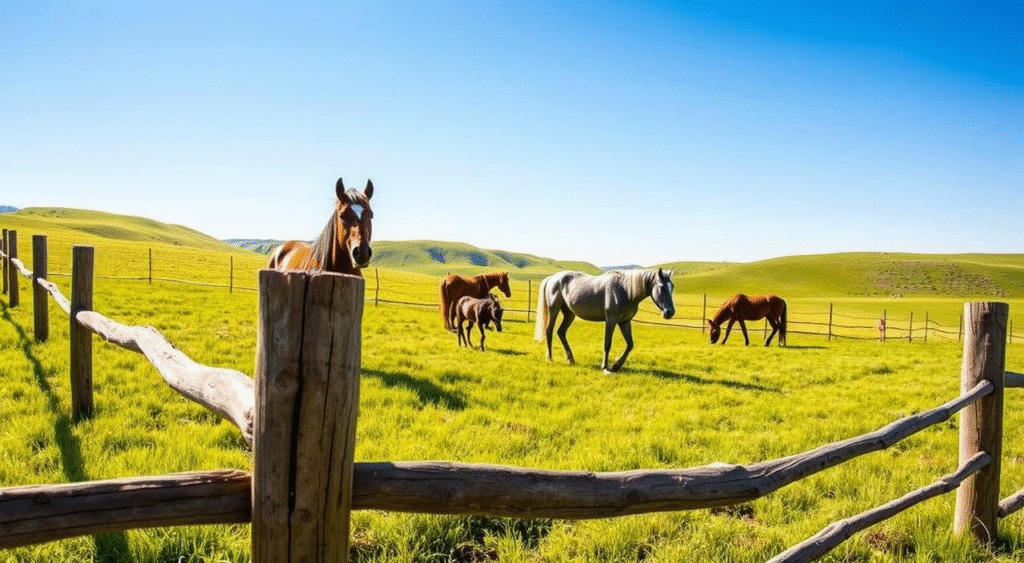
Setting up good horse fencing is very important for horse owners. It keeps the horses safe and helps keep them healthy. It does this by controlling how much they graze.
There are many choices for fencing installation. It can be hard to pick the right one. But, knowing about the different types and their benefits can help you make a good choice for your needs.
Understanding Your Horse Pasture Needs

It’s important to know what your horse pasture needs. This ensures your horses are safe and happy. You must think about a few key things to make a good grazing area.
Assessing Your Property’s Terrain and Size
The size and shape of your land matter a lot. Look at the slopes, valleys, and any water bodies. A good look will show you what you can do and what might be hard.
Determining the Number and Types of Horses
The number and type of horses you have affect your fencing needs. Some horses need more space and stronger fences than others. This is because different horses are different sizes.
Identifying Local Climate Challenges
The weather in your area can change what fencing you need. For example, if it’s very windy, you might need stronger fences to keep them up.
Setting Clear Fencing Goals
It’s key to know what you want from your fencing. Do you want to make your pasture safer? Or maybe you want it to look better? Knowing your goals helps a lot.
| Fencing Goal | Considerations |
|---|---|
| Safety | Horse breed, size, and temperament |
| Grazing Efficiency | Pasture size, rotation, and management |
| Aesthetic | Fence material, design, and color |
Thinking about these things helps you make a great horse pasture. It will meet your needs and keep your horses happy and safe.
Essential Safety Considerations for Horse Fencing

Creating a secure horse enclosure needs careful thought. The main goal is to keep your horses safe and prevent injuries.
Height Requirements for Different Horse Breeds
The height of your fence is key to keeping horses safe. Most breeds need a fence that’s 4.5 to 5 feet tall. But, some horses might need taller fences because they can jump high.
Visibility Factors That Prevent Injuries
Horses must see the fence to avoid accidents. Using durable horse fence materials like wooden boards or mesh helps a lot. Flags or markers can also help make wire fences more visible.
Eliminating Possible Entanglement Hazards
It’s important to avoid sharp materials to prevent injuries. Smooth wire or mesh is safer than barbed wire.
Dangerous Materials to Avoid
Stay away from barbed wire and other sharp materials. They can really hurt your horses.
Safe Spacing Guidelines
The space between fence posts and rails should be small. This keeps horses from getting stuck. The lower rail should not be more than 12 inches apart.
By following these safety tips, you can make a safe place for your horses.
Comparing Different Types of Horse Fencing Materials

Choosing the right material for horse pasture fencing is key. It affects both safety and cost. Each material has its own benefits and drawbacks, so it’s important to compare them.
Wood Fencing Options
Wood fencing is loved for its natural look and strength. There are many wood fencing types to pick from.
Post and Rail Systems
Post and rail systems are cost-effective and look good. They let horses see out, lowering the chance of them hitting the fence.
Board Fencing Considerations
Board fencing makes a stronger barrier. It’s good for a secure area. But, it needs more upkeep than post and rail.
Wire and Mesh Alternatives
Wire and mesh fencing are great alternatives to wood.
No-Climb Horse Fence
No-climb fencing keeps horses safe and in place. It’s tough and needs little care.
V-Mesh and Diamond Mesh Options
V-mesh and diamond mesh let horses see out well. They keep horses in and are simple to set up with a DIY horse fencing guide.
Vinyl and PVC Fencing
Vinyl and PVC fencing are durable and easy to care for. They stand up to weather and can save money over time.
Electric Fencing Systems
Electric fencing works alone or with other types. It stops horses from escaping and is cost-effective for big areas.
Budgeting for Your Horse Pasture Fencing Setup

Planning your horse pasture fencing budget is key. It’s not just about the upfront costs. You also need to think about ongoing maintenance, repairs, and how long the materials will last.
Initial Installation Costs
The cost to set up your horse pasture fencing can change a lot. Wood fencing can cost between $15 and $30 per foot. On the other hand, electric fencing might be cheaper, costing between $1 and $3 per foot.
Long-term Maintenance Expenses
Don’t forget about the ongoing costs of your fence. Wood fences need regular care, like painting and fixing broken parts. Vinyl and PVC fences are easier to keep up but cost more upfront.
Cost-Benefit Analysis of Different Materials
Think about both the upfront and long-term costs of your fence. A cost-benefit analysis can show which option is best over time. For example, electric fencing is cheap to put in but needs regular checks to work well.
DIY vs. Professional Installation Considerations
Choosing between DIY or hiring pros depends on your skills, time, and money. DIY can save on labor, but pros ensure a safe, quality fence. As one expert says, “
Proper installation is key to the longevity and effectiveness of your horse pasture fencing.
“
By weighing these points, you can find a cost-effective pasture fencing solution. It will meet your needs and keep your horses safe.
Planning Your Pasture Layout for Optimal Grazing

A well-planned pasture layout is key for healthy horses and efficient grazing. Your design should focus on your barn’s location. It should also plan for future growth to keep the layout useful and efficient.
Creating Rotational Grazing Systems
Rotational grazing keeps your pasture healthy. Divide your pasture into smaller parts to manage grazing better. This method reduces overgrazing and helps grass grow back.
It also spreads out manure and lowers parasite risks.
Designing Access to Water Sources
It’s important for horses to have clean water easily. Place water sources in your pasture design to encourage even grazing. Proper water placement helps avoid overgrazing in some spots and promotes even use of the pasture.
Incorporating Shelter and Shade Areas
Shelter and shade are key for your horses’ comfort. Add natural or man-made shelters to your design to protect them from bad weather. Trees or shade structures also offer shade in hot summer months.
Managing Drainage and Erosion Concerns
Good drainage is vital for a healthy pasture. Think about your land’s natural slope and take steps to stop erosion, mainly in flood-prone areas.
Fence Placement in Flood-Prone Areas
In areas that flood, placing fences right is critical. Use strong materials and design your fence to handle floodwaters. This keeps your horses safe.
| Pasture Feature | Design Consideration | Benefit |
|---|---|---|
| Rotational Grazing | Divide pasture into smaller sections | Reduces overgrazing, promotes regrowth |
| Water Sources | Strategic placement for even access | Encourages uniform grazing distribution |
| Shelter and Shade | Incorporate natural or man-made shelters | Protects horses from extreme weather |
Complete Horse Pasture Fencing Setup Process
To make a safe horse pasture, follow a step-by-step process. This ensures your fence works well and keeps your horses safe.
Gathering Necessary Tools and Materials
First, collect all tools and materials you need. This includes posts, rails, mesh or wire, gates, and hardware. Make a detailed list for your fence type and design.
Marking Your Fence Line
With your materials ready, mark the fence line. Use stakes, flags, or spray paint. This helps you see the layout and make changes before digging.
Setting Posts Properly
Setting posts is key. Corner and gate posts need to be deeper and bigger. Use a post hole digger to dig holes at least 12 inches deep, or deeper for corners.
Concrete vs. Tamped Installation Methods
You can use concrete or tamped earth to set posts. Concrete is more stable, but tamping is quicker and cheaper. Pick what works best for your soil and fence.
Installing Rails, Mesh, or Wire
Next, put in the rails, mesh, or wire. Make sure it’s tight to the posts to avoid sagging. For wire, use a tensioner to keep it tight.
Adding Gates and Access Points
Lastly, add gates and access points. Gates must be strong, well-attached, and have good latches. Think about the size of gates for your equipment and vehicles.
By following these steps, you can set up a great horse pasture fence. It will be safe and secure for your horses.
Selecting the Right Gates and Entry Points
When making a secure horse enclosure, gates are key. They are both entry points and weak spots. So, picking and installing them is very important.
Gate Placement Strategies
Put gates where horses can come straight in and easily. Don’t place them where horses often gather. This can cause trouble and safety risks.
Types of Gates for Horse Safety
The material and design of gates matter a lot for horse safety. Choose strong materials that can handle horses’ weight and strength.
Tubular vs. Panel Gates
Tubular gates look modern and are safer because they’re smooth. Panel gates are stronger and more visible to horses. This makes them safer too.
Creating Functional Loading Areas
Design loading areas carefully for safe horse movement. Make sure they have enough space and strong fencing. This prevents escape or injury.
Emergency Access Considerations
Having emergency access points is key for quick exit or entry. Make sure these gates work well, even when it’s urgent.
| Gate Type | Safety Features | Maintenance Needs |
|---|---|---|
| Tubular Gates | Smooth surface, less injury risk | Regular inspection for damage |
| Panel Gates | High visibility, sturdy construction | Periodic checks for loose panels |
Implementing Electric Fencing for Added Security
Electric fencing makes your horse pasture safer and easier to manage. It acts as a physical and mental barrier. This stops horses from trying to get past the fence.
Standalone vs. Complementary Electric Systems
Electric fencing can stand alone or work with other fences. Alone, it’s a cost-effective way to manage pastures. With other fences, it adds more security.
Proper Grounding Techniques
Good grounding is key for electric fencing to work well. A well-grounded system keeps the electric current strong. This keeps horses from trying to cross the fence.
Training Horses to Respect Electric Boundaries
Teaching horses to respect electric fences is important. Start by introducing them slowly. Make sure they know the fence means electric shock.
Solar vs. Traditional Charger Options
Choosing between solar and traditional chargers depends on your needs. Solar chargers are green and save money. Traditional chargers work in any weather.
Maximizing Pasture Health Through Fence Management
Understanding how to manage your fencing is key to better pasture health. Good fencing practices can greatly improve your horse pasture’s condition.
Preventing Overgrazing with Strategic Fencing
Good fencing stops overgrazing. Divide your pasture into paddocks to rotate your horses. This lets the grass rest and grow back.
Rotating grazing boosts pasture health and cuts down on parasites. First, figure out how much pasture your horses need. Then, split your pasture into paddocks. Move your horses around based on grass height and quality.
Creating Sacrifice Areas to Protect Pasture
Sacrifice areas are for high-impact activities like feeding or sheltering horses. They keep your pasture safe from overgrazing and mud.
Use strong, mud-resistant materials for sacrifice areas. Make sure they drain well and are far from water.
Seasonal Adjustments to Grazing Areas
Seasons change, so do pasture needs. Adjusting grazing areas helps keep your pasture healthy. For example, limit access in wet seasons to avoid mud.
| Season | Grazing Adjustment |
|---|---|
| Spring | Monitor grass growth and adjust paddock sizes |
| Summer | Provide shade and ensure water |
| Fall | Reduce grazing to help pasture recover |
| Winter | Limit grazing in sensitive areas |
Managing Manure Near Fence Lines
Manure near fences can harm your pasture and lead to parasites. Clean up manure regularly and manage it well.
Try harrowing to spread out manure. Use composting to lower parasite risks. Place manure piles away from water and fences.
These steps help keep your pasture healthy with smart fence management.
Maintaining Your Horse Fencing for Longevity
The secret to a durable horse fence is regular care. Keeping your fence in good shape is key. It keeps your horses safe and happy.
Regular Inspection Routines
It’s important to check your fence often. Look for any damage or wear. This is true, even more so after bad weather.
Seasonal Maintenance Tasks
Each season has its own challenges. In spring, look for winter damage. Summer is the best time to protect wooden fences with a coat.
Fall is for cleaning up debris. And winter means checking for ice damage.
Quick Repair Techniques for Common Issues
For broken posts, dig a new hole and set a new post in concrete. If wire or mesh is damaged, tighten or replace it.
Fixing Broken Posts
To fix a broken post, dig around it, remove it, and put in a new one with concrete.
Repairing Damaged Wire or Mesh
Use a tool to tighten loose wire. For mesh, fix or replace damaged parts to keep your horses safe.
When to Replace vs. Repair
Decide if you can fix or need to replace a damaged fence. Small problems can be fixed. But big damage might mean you need a new fence for horse pasture safety.
By keeping up with these tips, you can make your horse fence last longer. This keeps your horses safe and happy.
Legal Considerations for Horse Pasture Boundaries
Knowing the law about horse pasture boundaries is key. It helps you follow rules and avoid fights. When you put up fencing for horses, you need to think about legal stuff. This makes sure your fencing works well and is legal.
Understanding Property Line Requirements
First, find out where your property lines are. Look at your property deeds or get a surveyor to mark them. This stops you from crossing into your neighbor’s land and keeps legal troubles away.
Liability Issues and Insurance Recommendations
As a horse owner, you could be blamed if your horses get out and hurt someone else’s property. To protect yourself, get good liability insurance. Expert horse fence installation also lowers risks.
Local Zoning and Agricultural Regulations
Local rules might say what your horse fence must be like. They might talk about height, what it’s made of, and how clear it must be. Knowing these rules helps you avoid fines or having to change your fence.
Neighbor Relations and Shared Fencing
Keeping good relations with your neighbors is important, more so with shared fences. Talk to them about taking care of the fence. Making a shared fence agreement can help clear up who does what.
By knowing and following these legal tips, you can make a secure horse enclosure. It will follow local laws and keep your horses and neighbors safe.
Creating a Secure and Efficient Horse Pasture: Expert Recommendations
To make a safe and useful horse pasture, focus on clear sight, strong structure, and the right materials. This way, you keep your horses safe while letting them roam and discover freely.
When setting up your horse pasture fencing, pick the best design for your needs. Look at your land’s shape and size, how many horses you have, and the local weather. A good design keeps your horses safe and healthy.
Using expert tips in your horse pasture fencing setup makes it safe and efficient. This means using easy-to-see fencing, planning grazing areas, and keeping up with maintenance. This helps your horses stay healthy and avoids accidents.
Conclusion:
Creating a Secure and Efficient Horse Pasture: A Long-Term Commitment
Setting up and maintaining horse fencing is not just a one-time task—it’s a long-term investment that requires careful consideration. When done right, your fence will not only protect your horses but will also contribute to the overall health and productivity of your pasture. It’s essential to choose the right materials, install the fence securely, and maintain it regularly to ensure its longevity.
Through proper planning, strategic layout, and ongoing maintenance, you’ll create an environment that keeps your horses safe, healthy, and happy. It’s important to invest in quality materials and expert installation, as this ensures both the safety of your horses and the return on your investment. Whether you’re installing the fence yourself or hiring a professional, a well-maintained fence will provide peace of mind and protection for many years.
FAQs:
1. What type of fence is safest for my horses?
The safest fences for horses are those that are smooth, visible, and strong. Wooden post-and-rail fences are often considered the safest because they’re sturdy and provide excellent visibility. Woven wire or no-climb fencing is also a popular choice, offering flexibility, visibility, and safety. Avoid barbed wire, as it can cause serious injuries to horses if they get caught or run into it.
Source: “Barbed wire is not recommended for horse fencing due to the risk of injury,” says Equine Fence Expert, Horse&Farm Supplies.
2. How high should my horse fence be?
The recommended height for a horse fence is 4.5 to 5 feet. This height is typically sufficient for most breeds. However, some horses, especially larger breeds or those with a tendency to jump, may require taller fences. For horses with higher jumping abilities, consider increasing the height to 6 feet to prevent escapes.
3. How often should I inspect my horse fence for repairs?
It’s essential to perform regular inspections, particularly after severe weather conditions. Aim to check your fence for damage once every 2–3 months. Focus on areas that may experience wear and tear, such as gates, posts, and wire. In spring and fall, perform a more thorough inspection to address any damage caused by freezing, thawing, or storm damage.
4. What’s the best type of fence for a windy area?
If you live in an area prone to high winds, it’s best to use a strong, solid fence like board fencing or no-climb mesh. These materials are sturdy and can withstand gusty winds better than wire or PVC fencing, which may sag or bend. Additionally, reinforcing your fence with extra posts and ensuring that the gates are secure will prevent damage during storms.
Source: “For areas with high winds, the best fencing solution is a heavy-duty wood or metal fence,” says user feedback from r/HorseOwners on Reddit.
5. Can I install my horse fencing myself, or should I hire a professional?
It’s possible to install horse fencing on your own if you have the tools and experience. However, for larger properties or if you’re working with materials like vinyl or metal, hiring a professional may be the best option. Professionals can ensure that the fence is properly installed, safe, and stable, which is especially important for protecting your horses.
6. How do I prevent my horses from chewing on the fence?
Horses chewing on fences can be a serious issue, particularly with wooden fences. To discourage this behavior, use metal mesh coverings on the lower portions of the fence or apply chewing deterrents designed for equine use. Additionally, ensure your horses are not bored—provide enough hay, grazing time, and enrichment activities to keep them entertained and less likely to chew on the fence.
Feedback from Real Horse Owners:
“I used to spend a lot of money on repairs every year, especially after the harsh winters. After switching to a no-climb fence with wooden posts, my horses have never been safer, and I’ve saved so much on repairs!” — r/HorseOwner1 on Reddit
“Electric fencing saved me a lot of money, and I was surprised by how effective it was. It’s a great option for larger pastures, especially when paired with wooden posts.” — r/EquineFanatic on Reddit
“The post and rail wooden fence looks beautiful, but it is a lot of maintenance. If you have the time to keep up with it, it’s great, but I wish I had gone with something that needed less upkeep.” — r/HorseLover22 on Reddit
“I tried to install my own fence, but I quickly realized that the ground was too tough for the posts. After calling a professional, the job was done in half the time and much more securely. If you’re unsure, it’s worth the investment.” — r/EquineCare on Reddit